
VIADO
Danilo Zocatelli
Curated by Phoebe Ahern and Will Vetch
9 - 30 May 2026
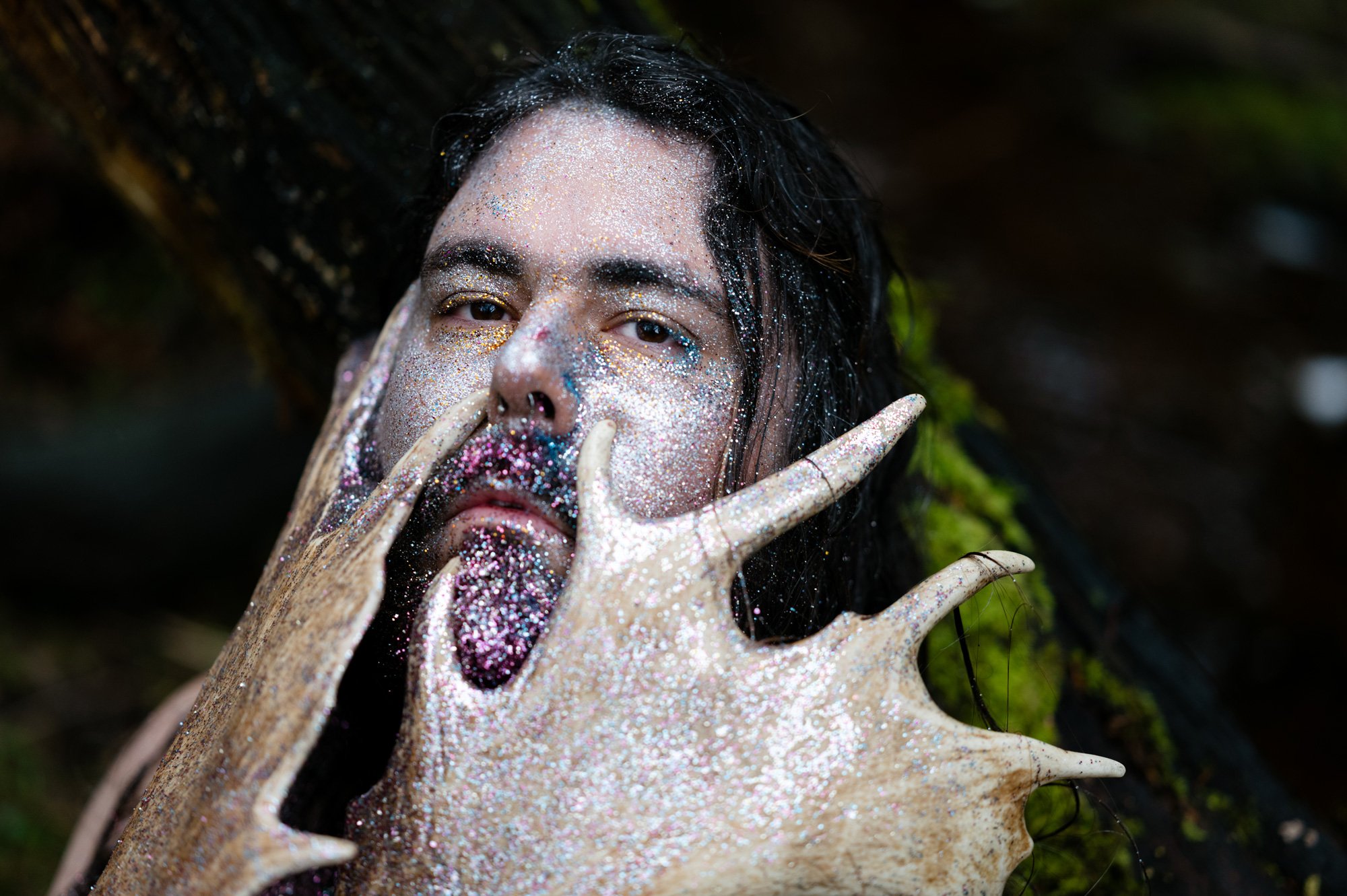
In Danilo’s work, the body is not framed against the landscape but absorbed into it: covered in mud, submerged in water, entangled with algae and debris. These encounters are not always romantic. Sometimes they are tactile, sometimes abrasive, and unsettling.
In response to VIADO - an exhibition by Danilo Zocatelli
Written by Beatriz Lobo Britto
There is a moment, just before entering, when the eye adjusts.
Installed within a former inspection pit, VIADO proposes a shift in perspective on the British landscape tradition. The exhibition is situated within a repurposed barn on a property in the South Downs where J.M.W. Turner once sought to capture the sublime. Yet, where Turner looked outward from a distance shaped by observation, Danilo collapses that distance. We meet the work eye to eye, on the same level. Historically a place for examining the underbellies of vehicles, the pit becomes a space where what has been hidden is unearthed. You move from open landscape into a lowered, enclosed space. From distance into proximity.
This shift is central to the exhibition. Rather than presenting nature as something separate from us, the works insist that we are already implicated within it. There is no outside position, no safe distance from which to observe.
In Danilo’s work, the body is not framed against the landscape but absorbed into it: covered in mud, submerged in water, entangled with algae and debris. These encounters are not always romantic. Sometimes they are tactile, sometimes abrasive, and unsettling. The work refuses the idea of nature as clean or restorative. Instead, it presents it as something that exceeds control, where the body is exposed to processes that blur the line between care and discomfort.
Queer ecology brings together queer theory and ecological thought to challenge fixed, heteronormative ideas of nature, instead understanding it as fluid, relational, and in constant transformation. Nature is not a refuge because it is pure, but because it does not impose the same social categories that structure the human world. It does not demand legibility. It allows for forms of being that are unstable, shifting, and unresolved. What emerges is not a return to nature, but a recognition that the body is already part of a complex, messy system in which identity is continuously forged through friction.
At the centre of VIADO is a word that does not settle. It’s the language in transit.
In Brazilian lexicon, viado names both the deer and a homophobic insult. It is a word shaped by context that is capable of harm, but also reappropriated within queer communities as a form of recognition. Its meaning is unstable, and that instability speaks to a technology of slur.
The exhibition draws on the friction between the British “stag” and the Brazilian “viado.” In the UK, the stag carries associations of masculinity and heterosexual ritual. Danilo works directly with this condition. Rather than neutralising the word, he exposes its contradictions and moves through them, aligning his work with Judith Butler’s* argument that language, and especially injurious language, can be reworked through repetition and recontextualisation. By naming the exhibition VIADO and embodying the figure it refers to, the artist shifts the terms under which the word operates, not erasing its complicated meanings, but redirecting them.
Danilo’s exercises in shifting meanings become even more complex when considered through migration and cultural translation. Transitioning from Dear Father** to Viado, the artist exists as a hybrid being: human and animal, migrant and local, occupying the in-between space where the monster and the man converge. This friction reflects a space where identities are shaped through contradiction, and often require translation. Words do not travel intact, and as they accumulate different meanings and histories, to live between languages is to live in constant untranslatability.
If language is unstable, the body follows: becoming a monster.
Across the exhibition, Danilo appears in states of transformation. In works such as Outside My Body, You Watch Me and Little Did They Know How Wild I Felt Inside, the body is not fixed or fully legible. The point of view remains unstable; it is never clear who is looking, or from where. Perspective shifts, and the body becomes entangled with its surroundings. What we see is dissolving, moving away from a stable, recognisable human figure. This loss of legibility can be understood as a refusal of surveillance. By inhabiting a body that is less fixed and less recognisable, the artist enters a space of fluid resistance that Jack Halberstam*** describes as central to queer monstrosity.
As Halberstam argues, queer monstrosity disrupts what is understood as the natural order. The figure of the monster breaks away from the limits set by heteronormative structures and instead occupies a space that it creates for itself. Danilo’s work does not reject the association between queerness and monstrosity, and allows for the viado to become a constructed figure.
The visual language of this exhibition is punctuated by the shine: a deliberate use of light and glitter (purpurina). In the work Nature is Queer, light reflecting off the natural world mirrors the way queer bodies are scrutinized: as excessively bright, dangerously visible, or too feminine. This shine operates as a form of queer signaling, a way of being seen that is simultaneously a target and a shield. On one side, visibility is vulnerability: to be "too bright" is to invite the violent scrutiny of a conservative world that demands queerness remain in the shadows. On the other, visibility is resistance: reclaiming the glitter is a refusal to be erased; it is the physical manifestation of the Brazilian adage that a viado does not die, they turn into glitter.
From confrontation to grounding as processes of healing.
In The Eyes That Once Saw You in The Darkness Explode When They Find Your Light, the artist presents himself in a direct and forceful way. The work marks a clear moment of affirming presence and existence. The queer body is no longer in hiding; instead, it confronts the darkness that has been placed around it. Light here is not passive, it is intended to interrupt the gaze and break the silence of exclusion, as an act of taking back space, challenging what the viewer expects, and refusing to remain unseen. This tone is maintained in I May Be a Monster To You, But This is When I Am Most Myself and Nature Holds Me, where the monster is no longer only a disruptive figure, and it enters a space of self-recognition.
In the video works, this is articulated through repeated actions – washing hair in water, painting nails, moving through the landscape. These are familiar gestures of self-care, frame the forest as a sanctuary. Moving beyond the search for paternal acceptance explored in previous projects, the artist finds radical self-care in the monstrous. These acts are ritualistic, a path to healing the wounds of societal rejection. The application glitter to the self and to non-human forms, merging the domesticity of the vanity with the wildness of the woods, alongside the act of combing hair in the tides, a ritual that washes away the residues of judgment, propose integration as the peaceful merging of the creature within the forest, where the monster is finally at home.
The central video brings these ideas into focus, and sound plays a central role in this process. The video is structured through a layered soundscape that brings together the artist’s voice with the sounds of water, wind, and movement. The repeated use of the word viado is particularly significant. Rather than appearing as a single act of naming, it returns as rhythm, echo, and accumulation. What emerges is not a final statement of identity, but a process in which acceptance is worked through physically, materially, and emotionally until the distinction between body and environment becomes less clearly defined.
Thinking of Ana Mendieta’s Silueta Series (1973-1980), where the body’s relationship to the earth becomes a way of negotiating presence and disappearance, displacement and belonging, Danilo also explores a physical merging with the landscape. Yet his work is less concerned with leaving an imprint on the land than with sustaining the body within an ongoing relationship to it. The central video draws these elements together through moments of discomfort, such as the sound of teeth against antlers or the act of chewing glitter, interspersed with quieter, repetitive gestures that evoke the instability of being both in and with nature.
The ability to inhabit contradictions has emerged.
Towards the end, a prayer is introduced. It reflects on earlier experiences shaped by religion and reworks them. Rather than rejecting those structures entirely, the work engages with them critically, suggesting a process of redefinition.
This marks a shift within the artist’s trajectory. Earlier works focused on external relationships, particularly within the family. Here, that process appears more internalised. Acceptance is not presented as a final state, but as something developed over time through repetition, reflection, and the ability to inhabit contradictions.
VIADO is structured around a series of movements: from landscape to language, from language to body, from body to material, and from material to ritual. It shows how identities are shaped through context, displacement, and ongoing negotiation. In doing so, Danilo opens up a space where terms like viado can be reconsidered, not stripped of their history, but reworked. Made to hold something else.
*Judith Butler, Excitable Speech: A Politics of the Performative (1997)
** Dear Father (2023) is a project by Danilo Zocatelli Cesco exploring queerness, masculinity, and familial reconciliation through staged portraits of the artist’s father in drag, photographed in childhood settings in Brazil.
*** Halberstam, Jack. Skin Shows: Gothic Horror and the Technology of Monsters. Durham: Duke University Press, 1995.
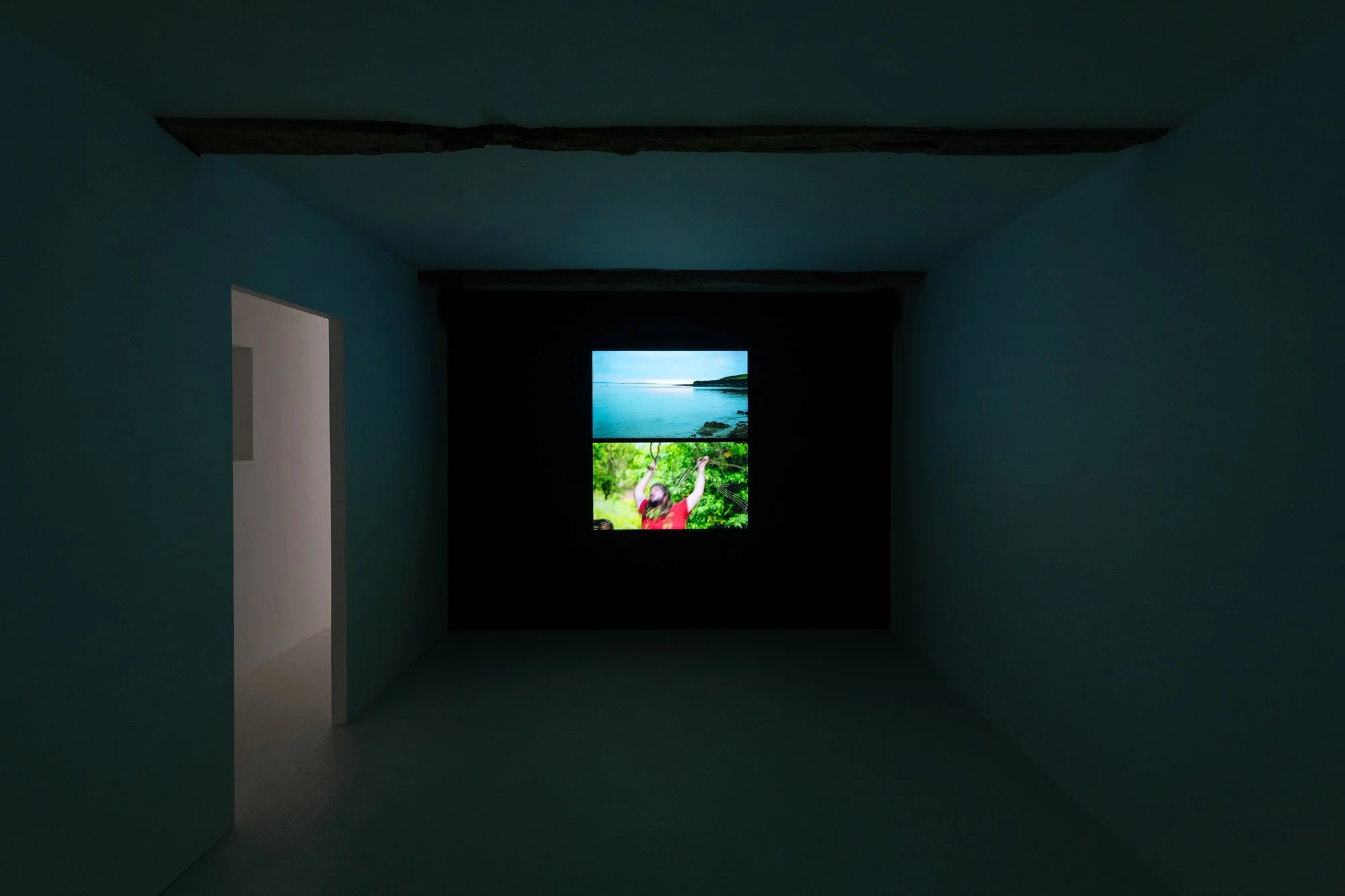
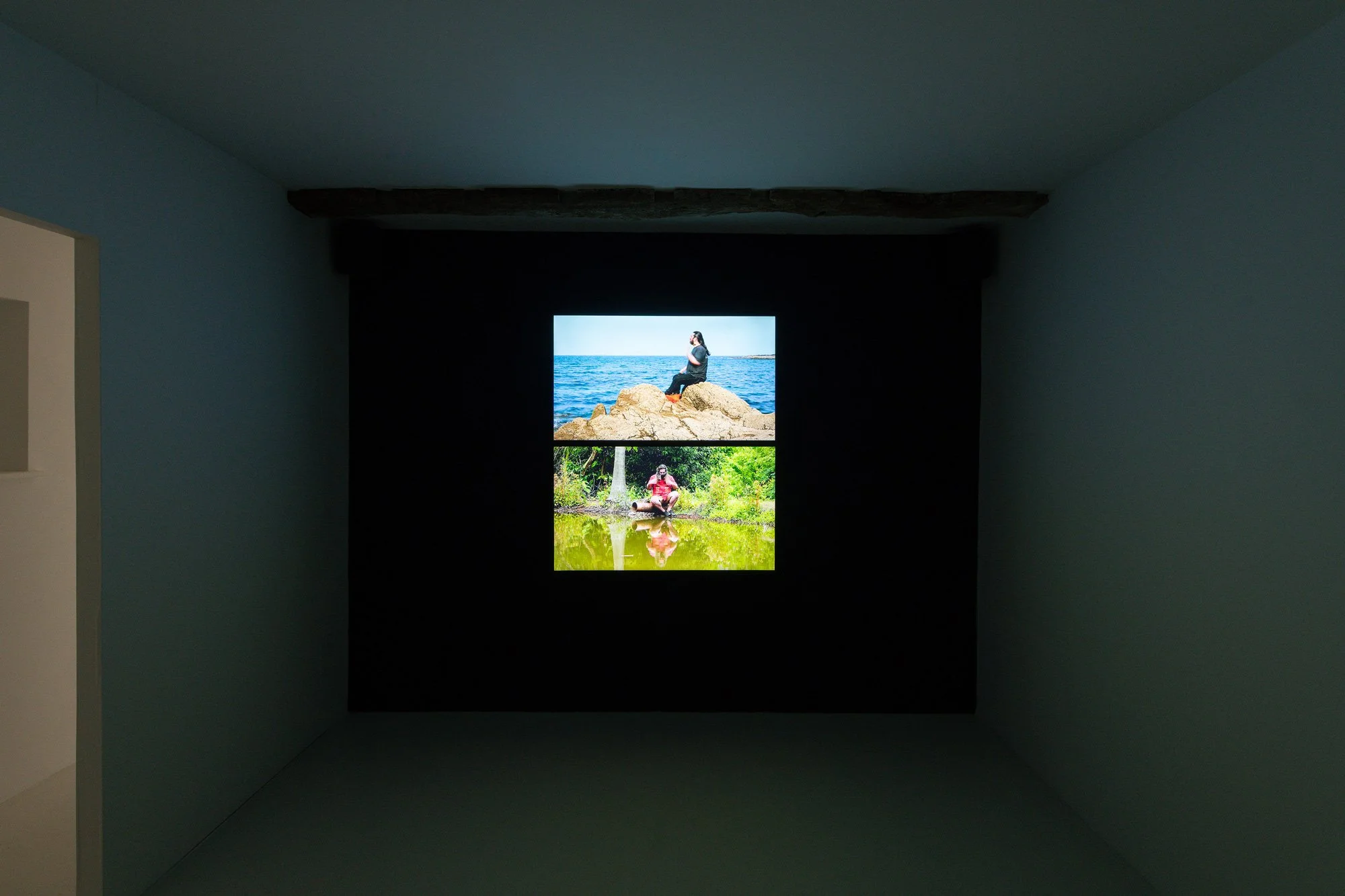
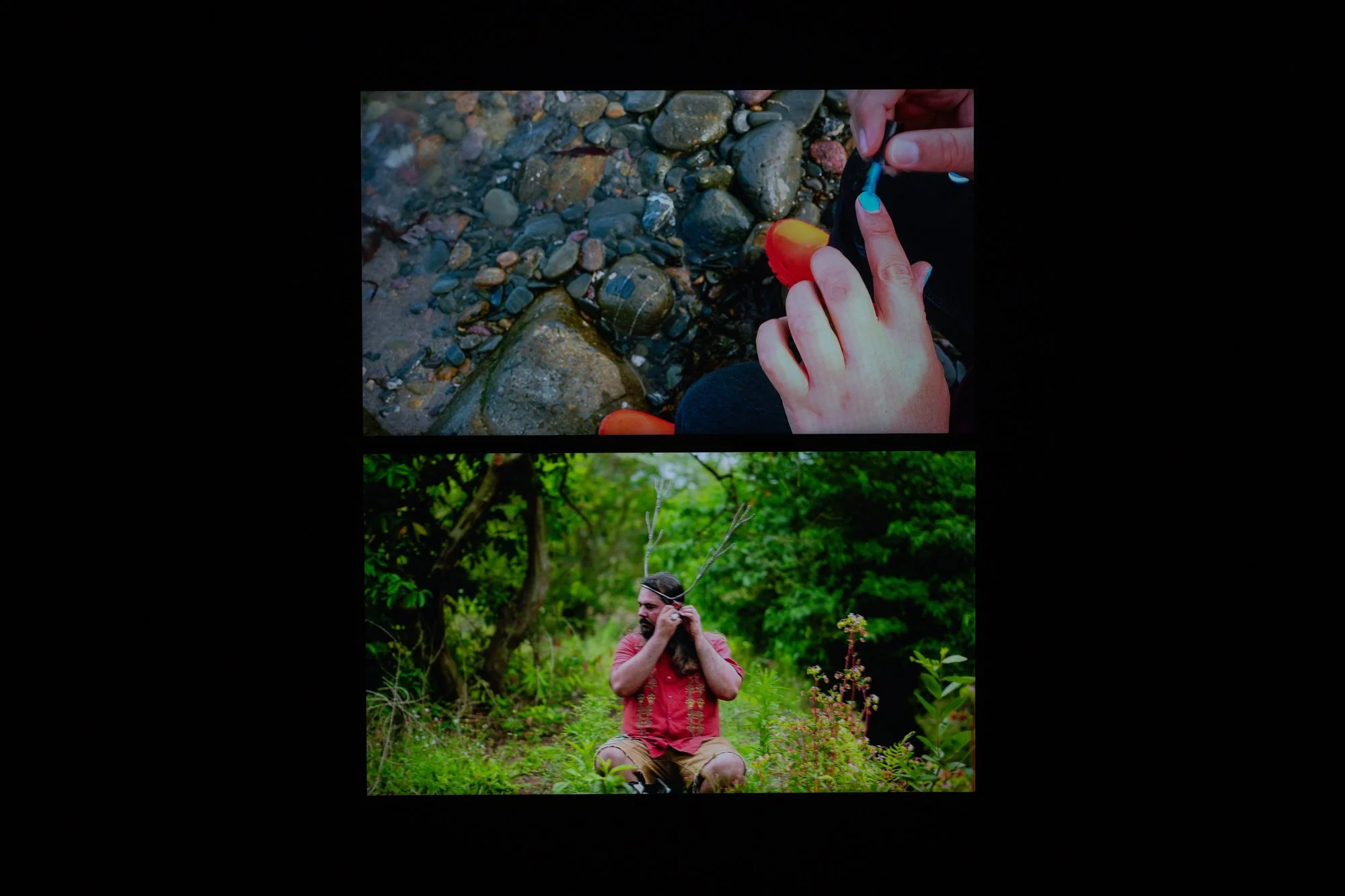
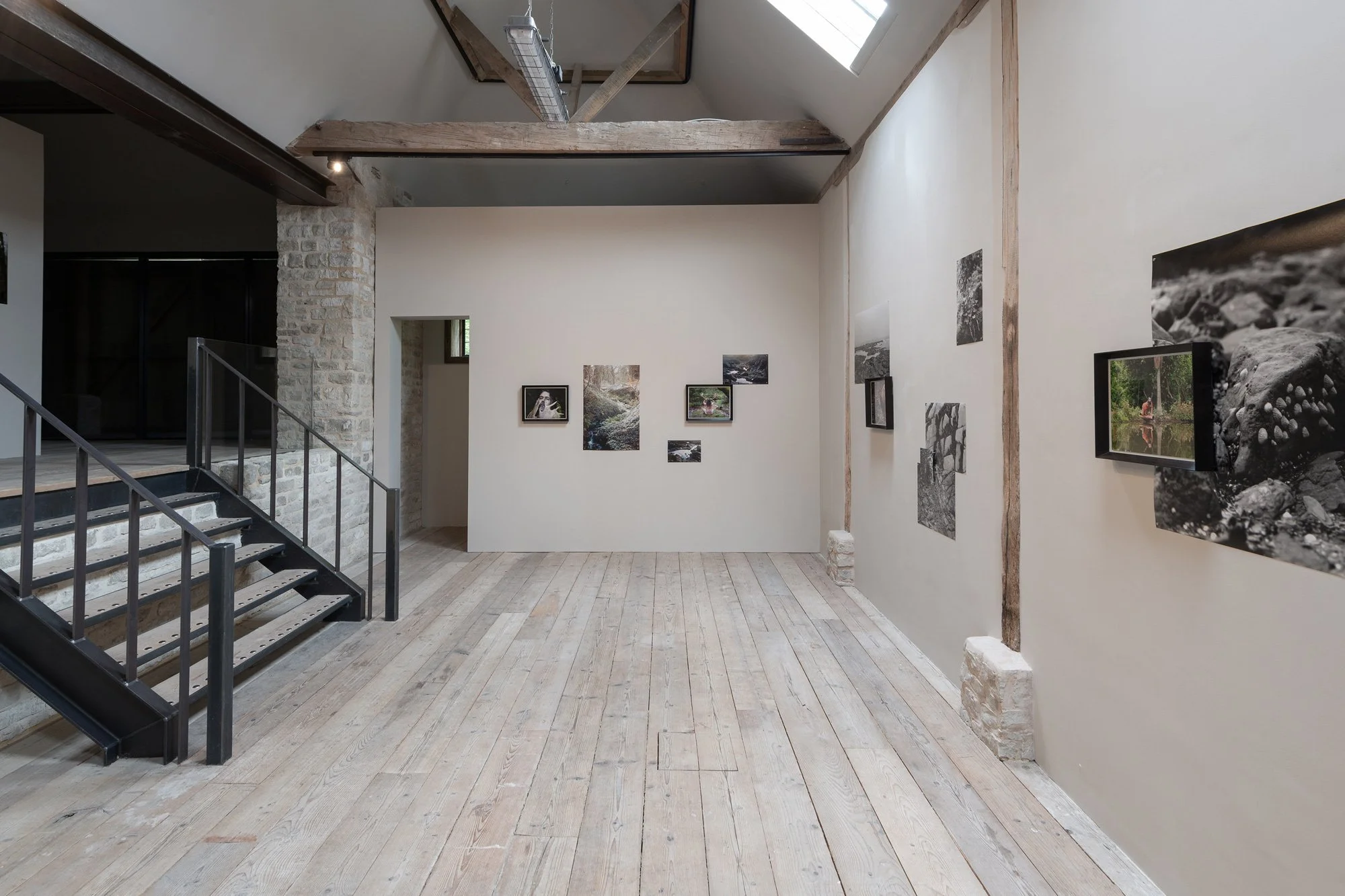
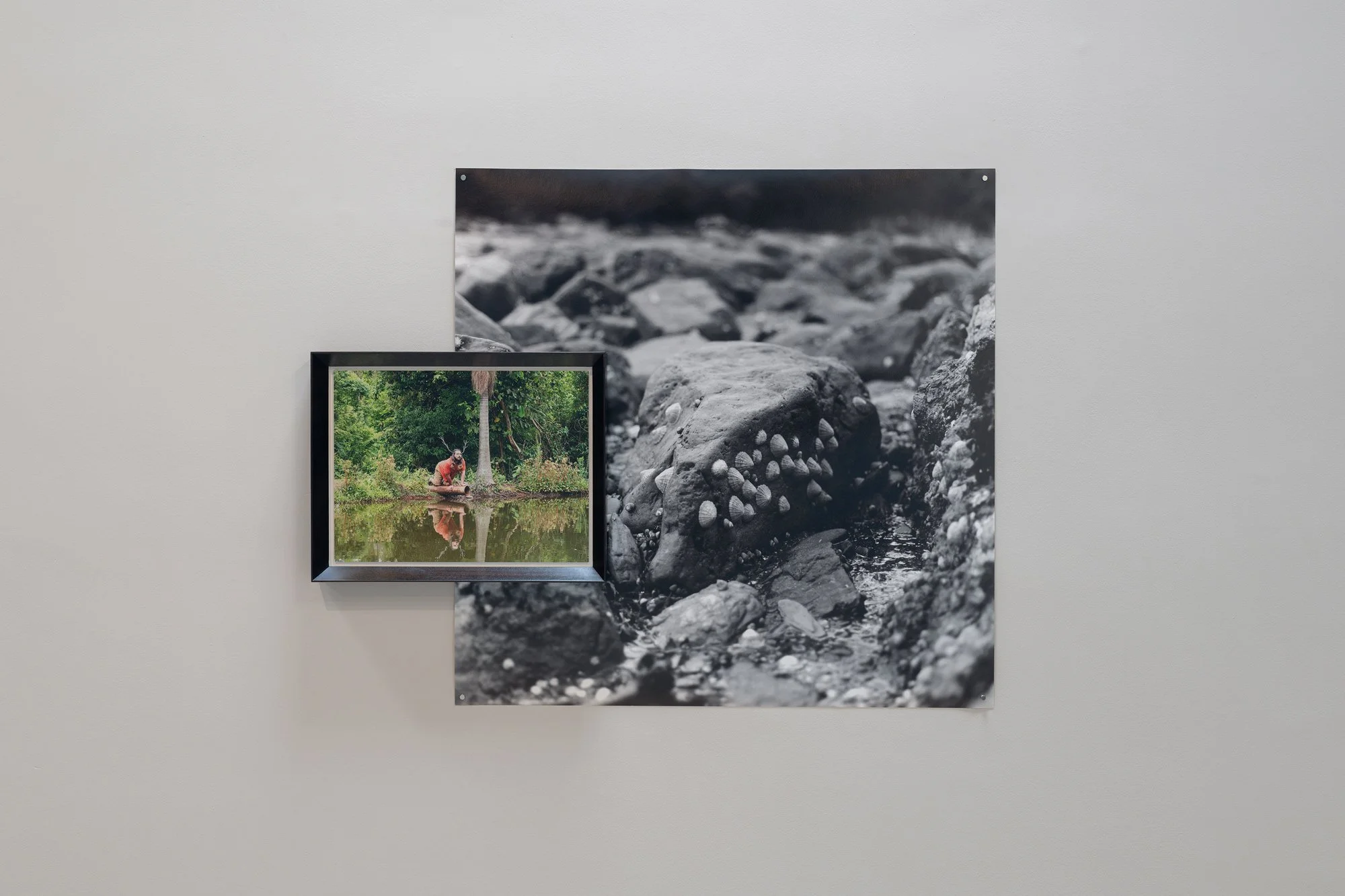
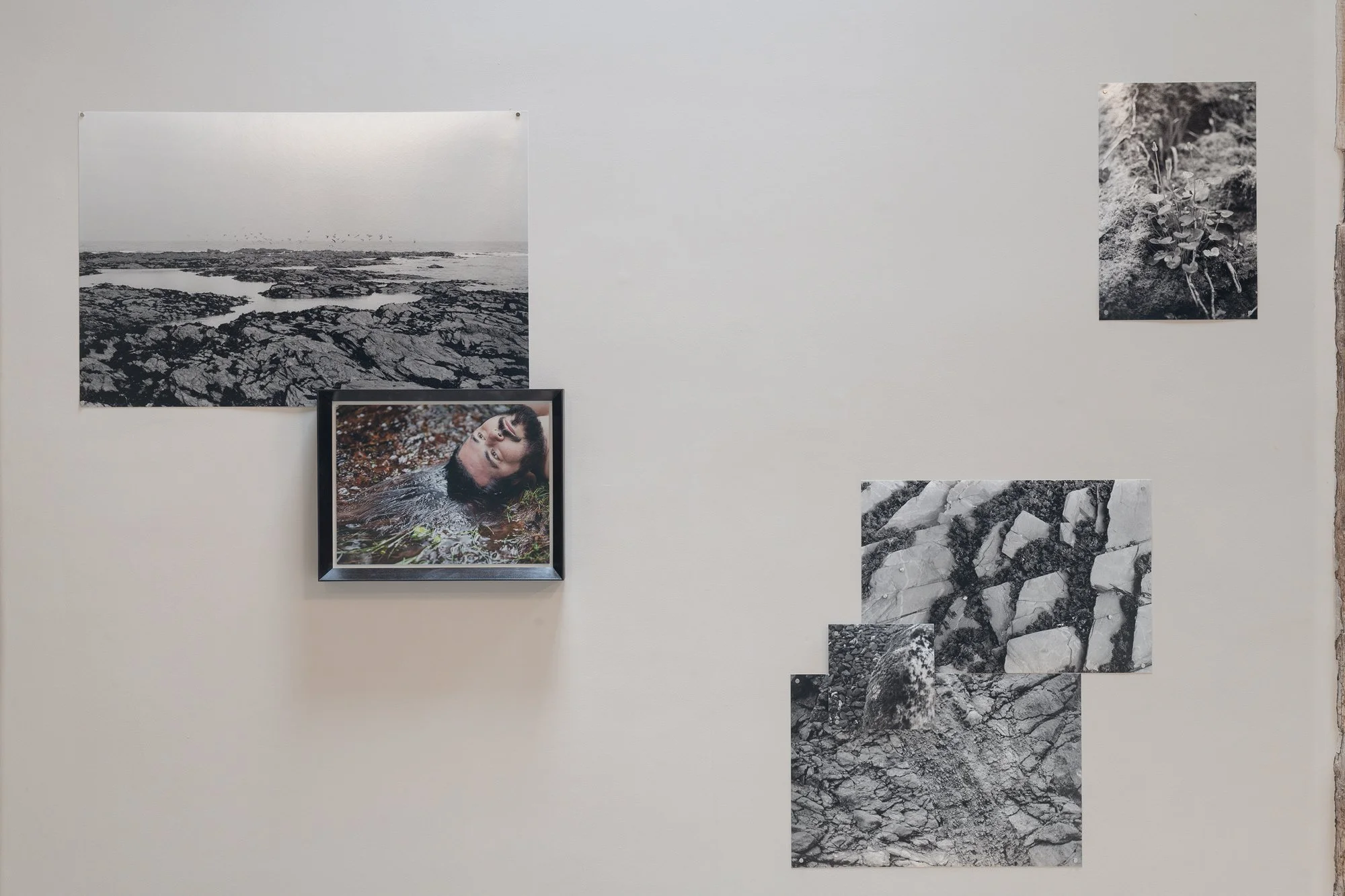
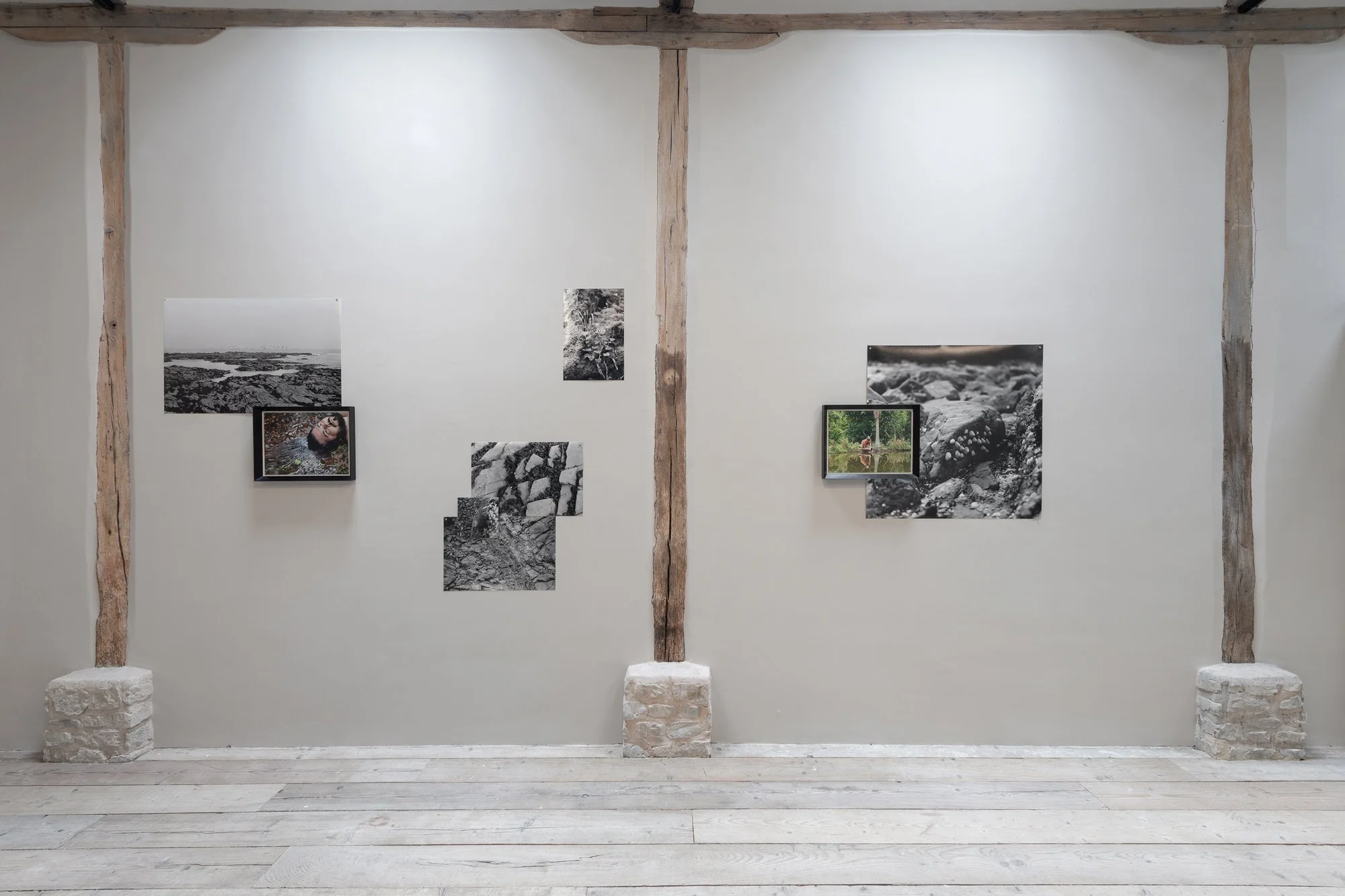
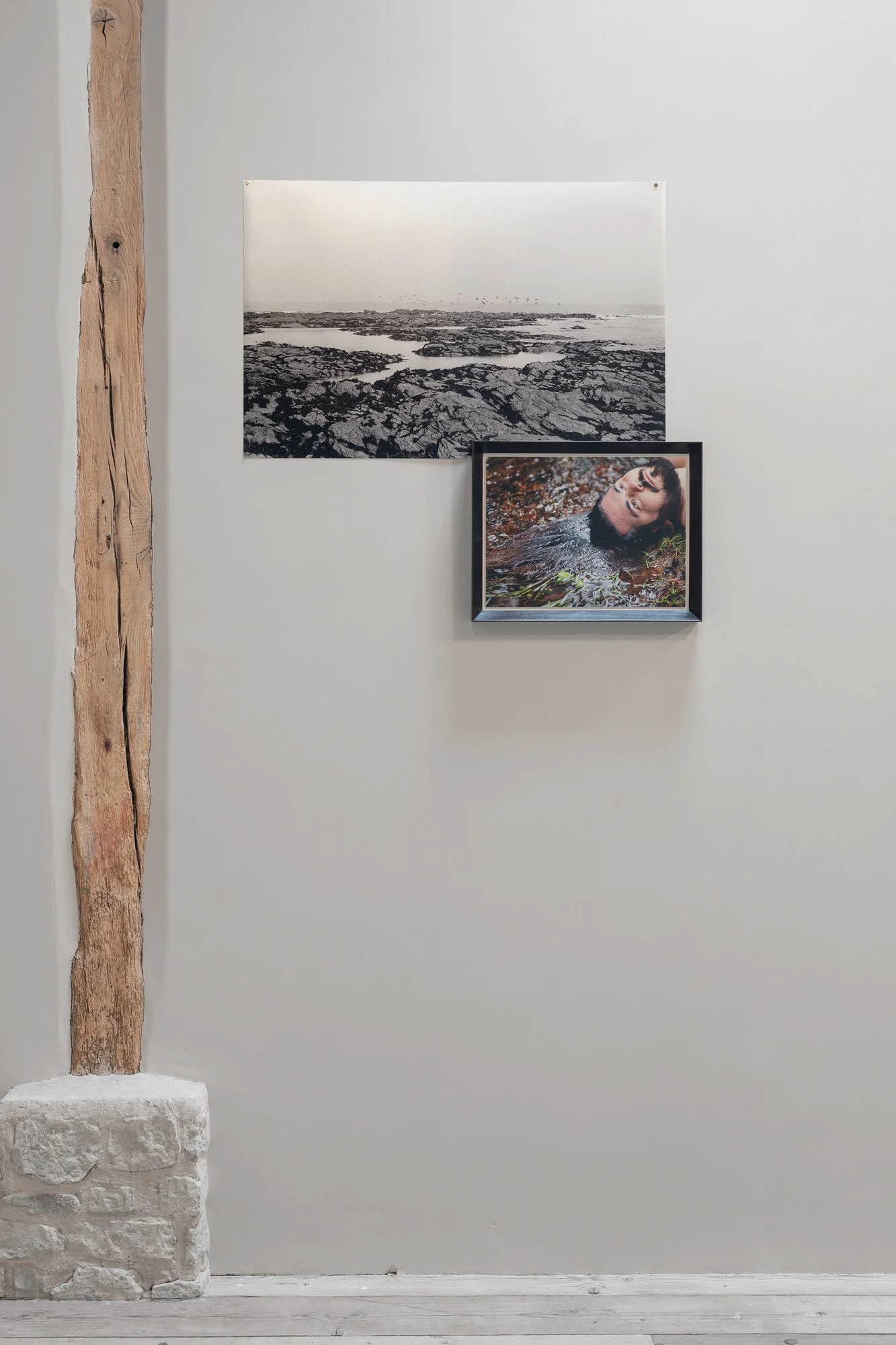
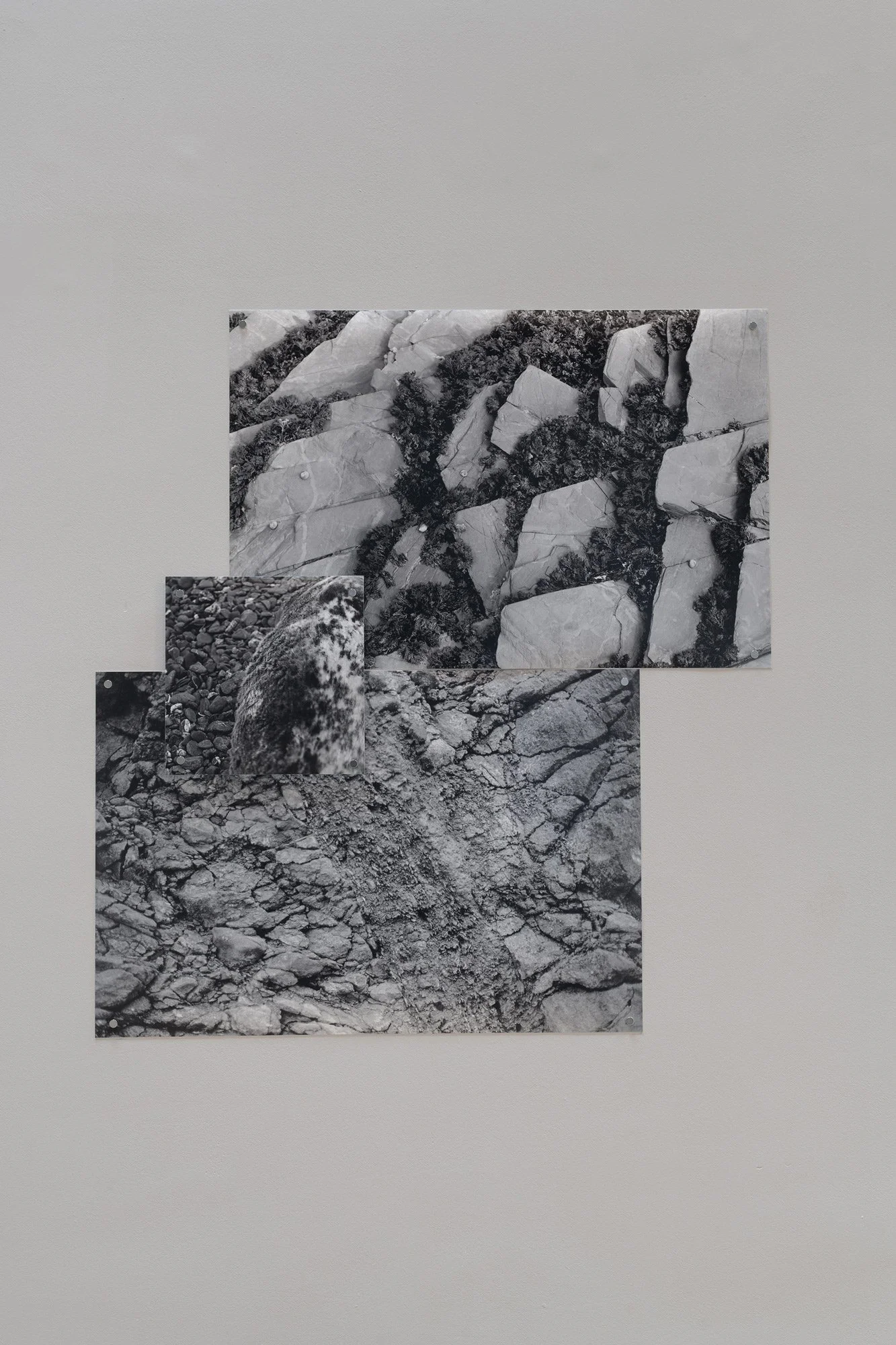
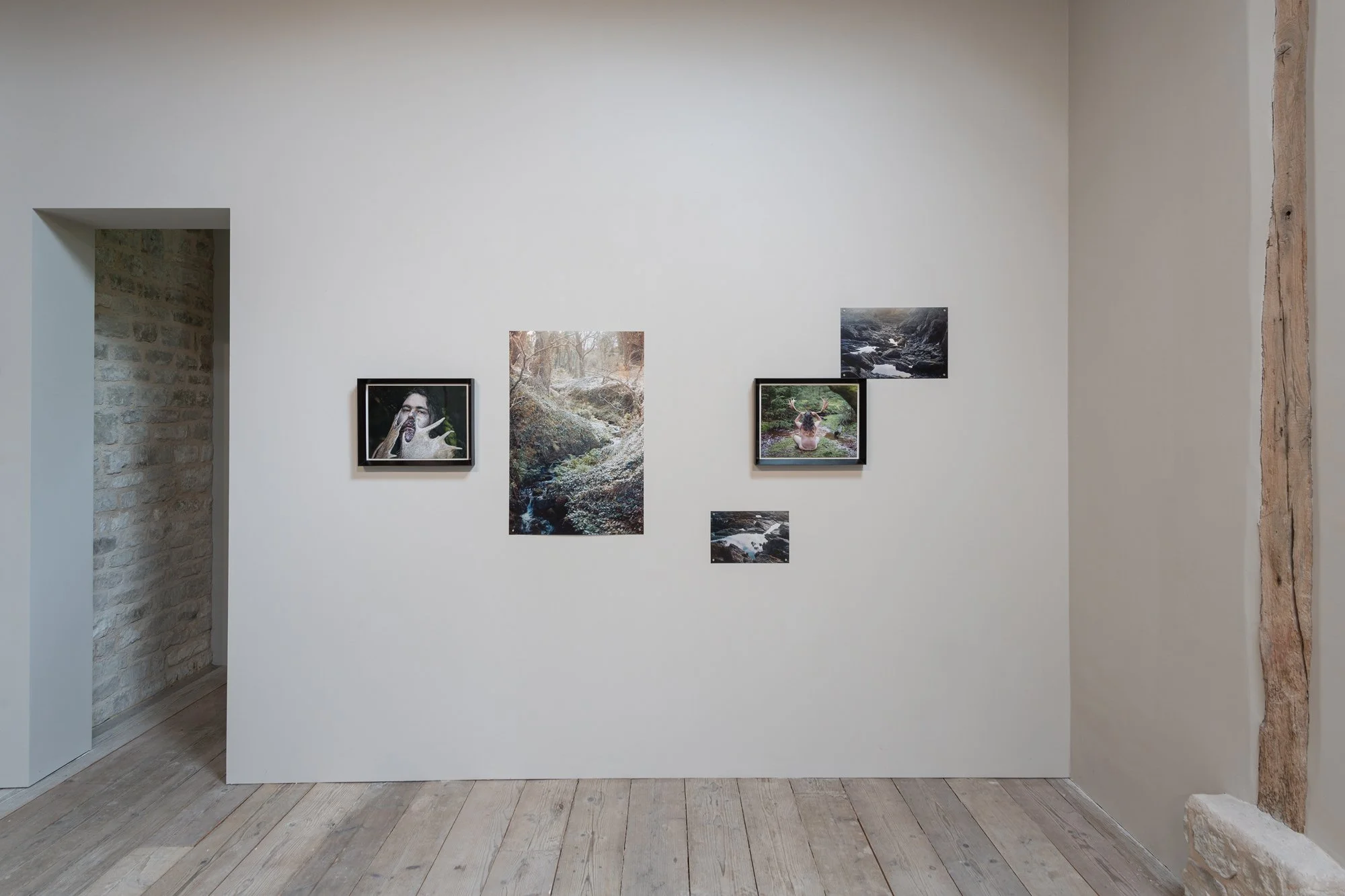
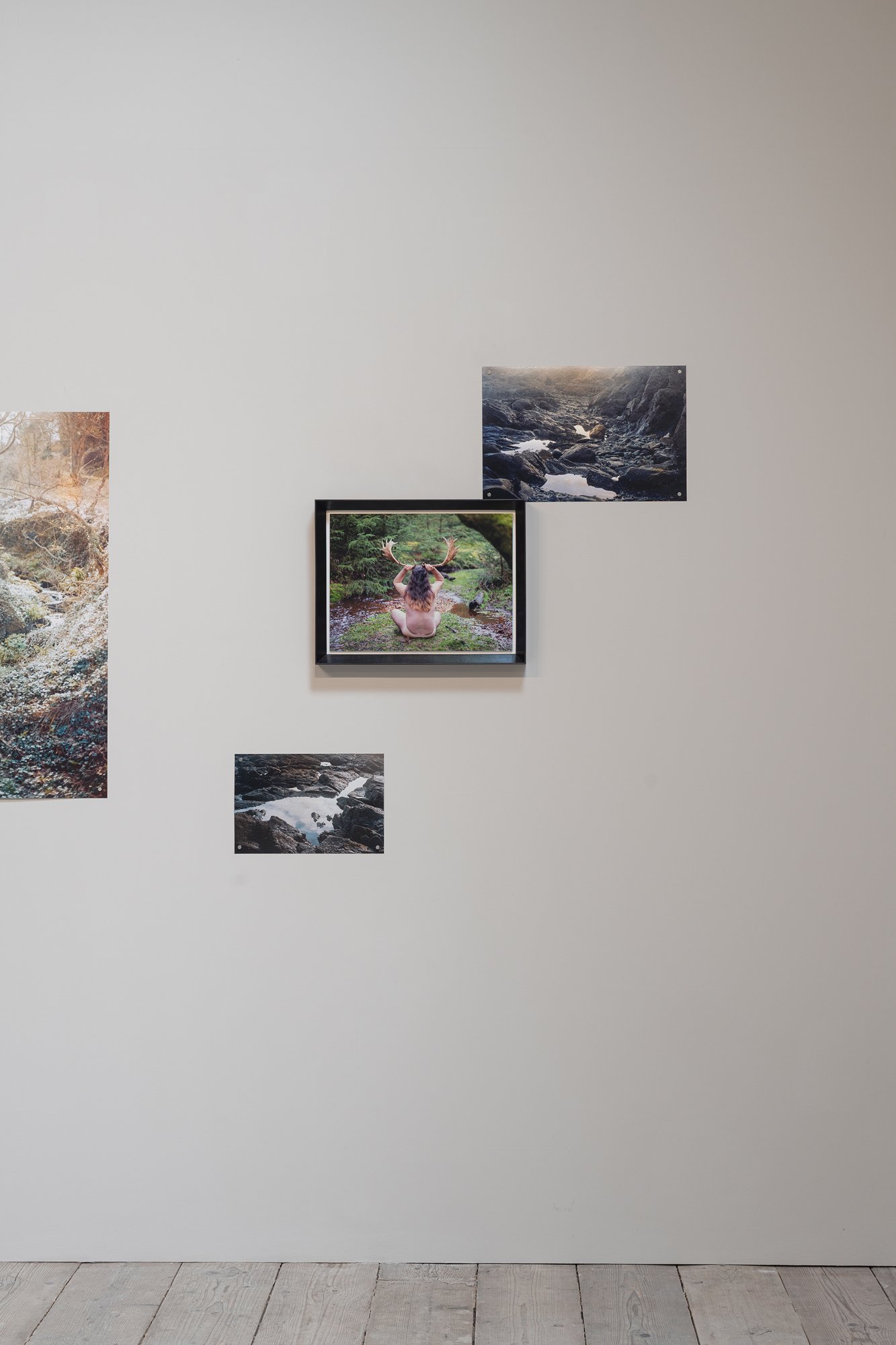
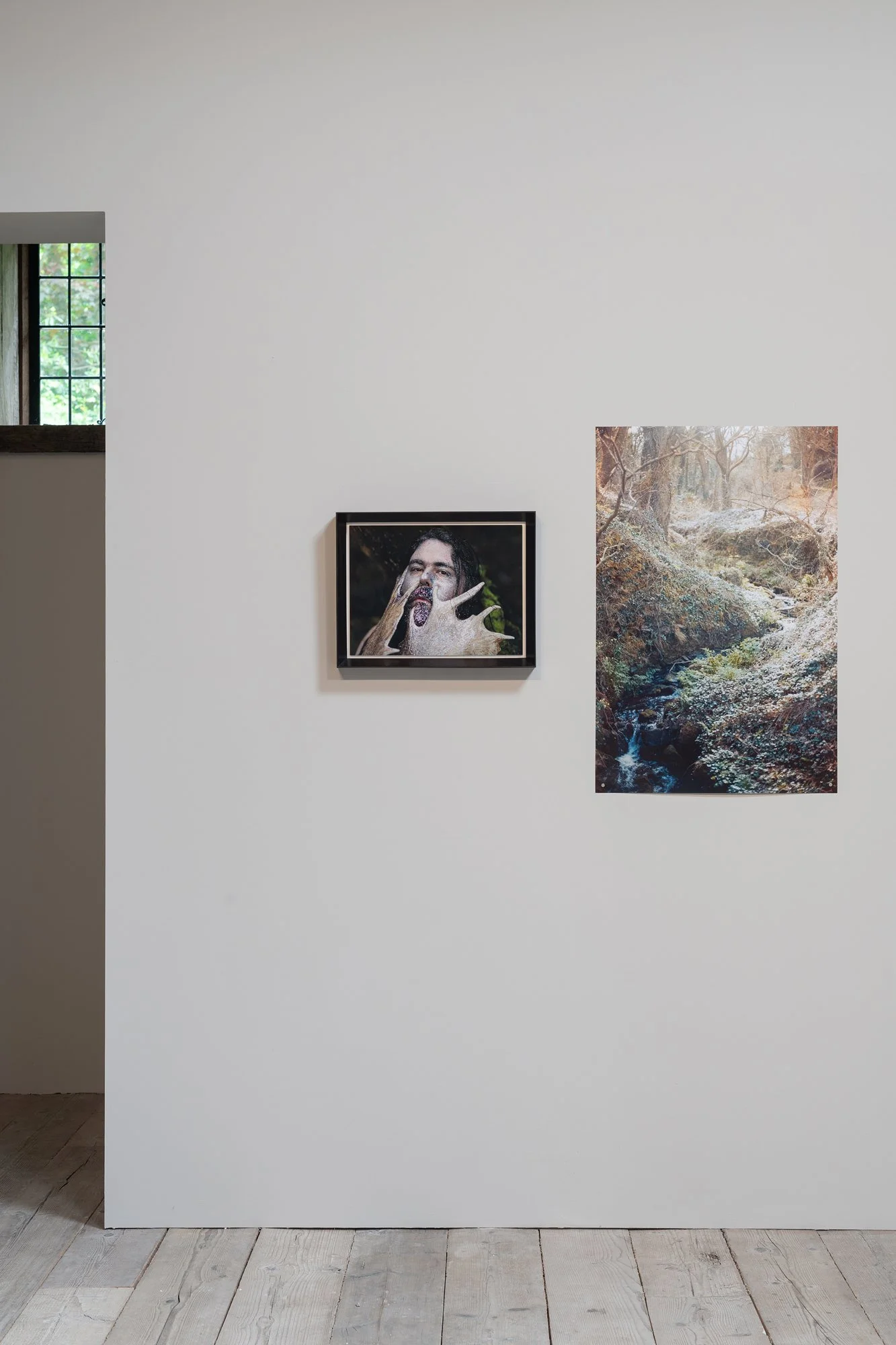
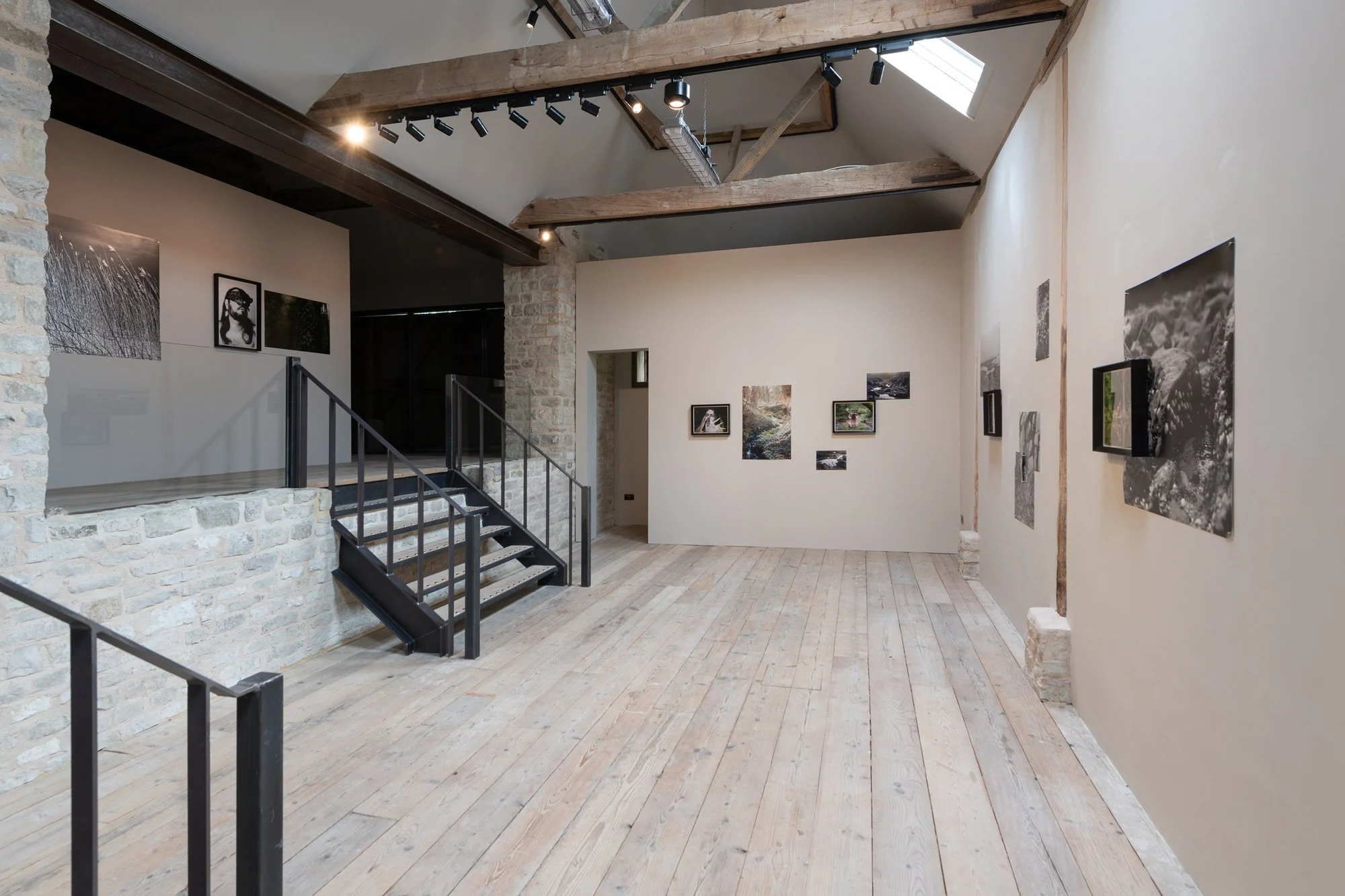
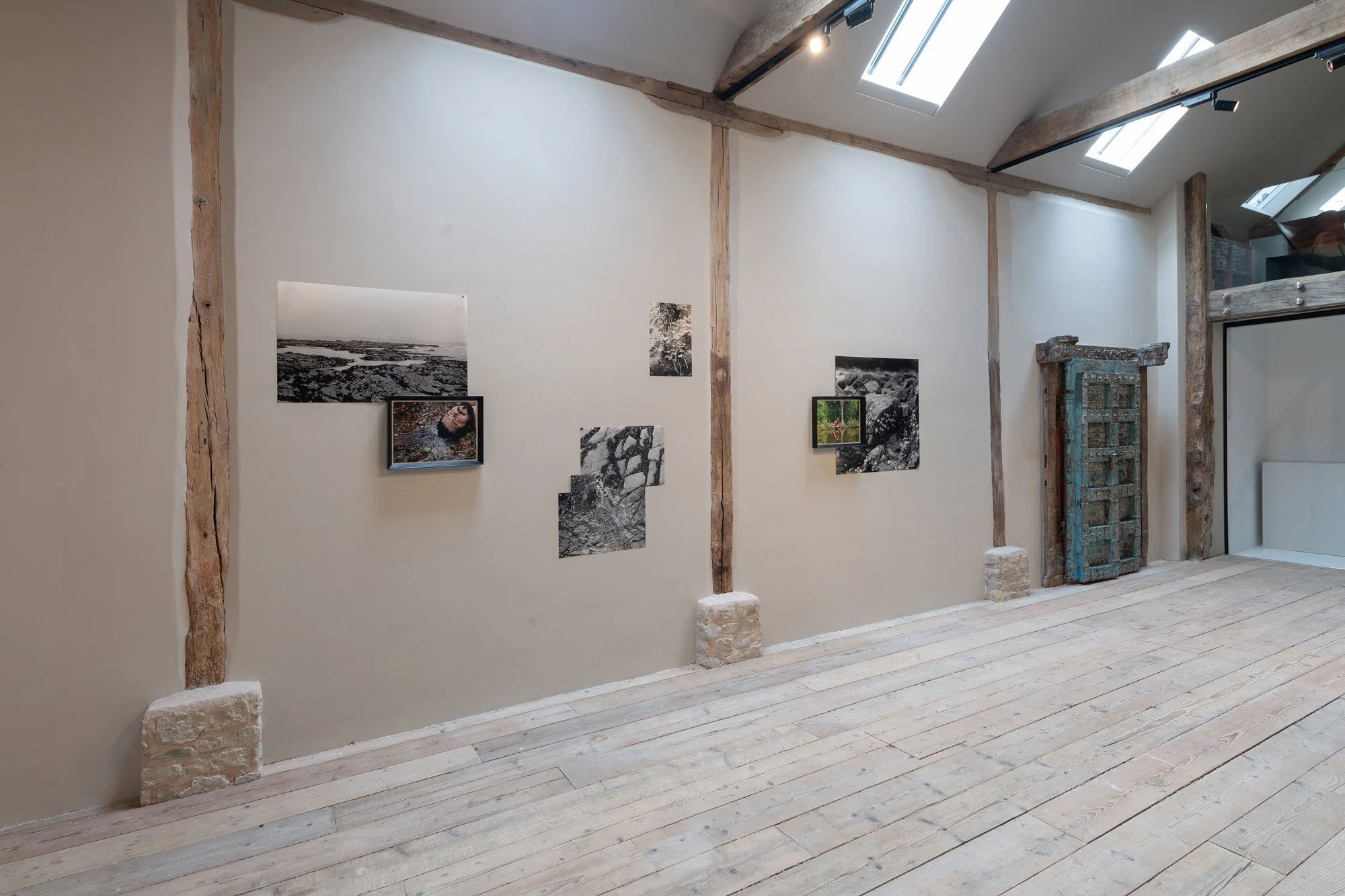
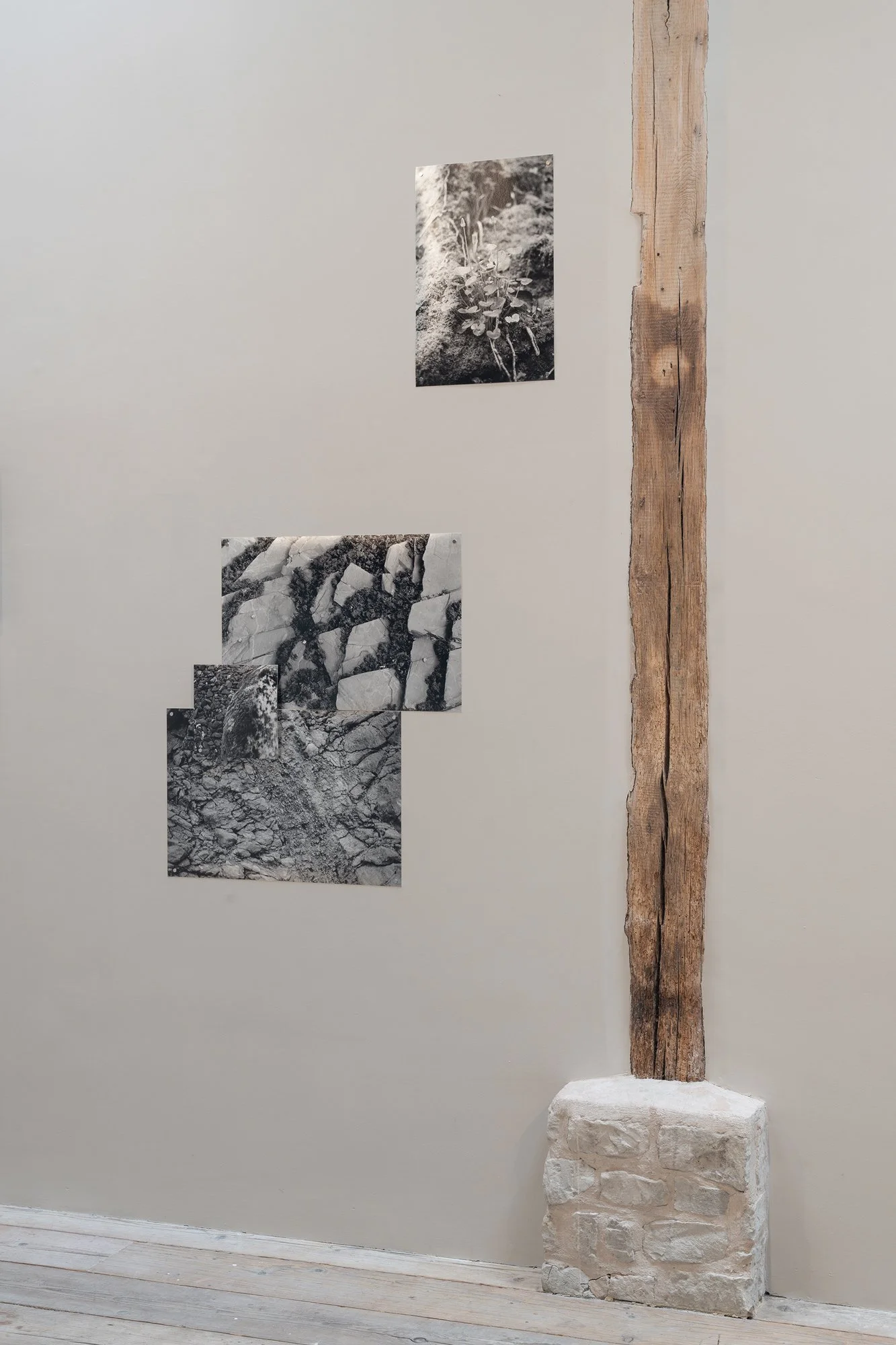
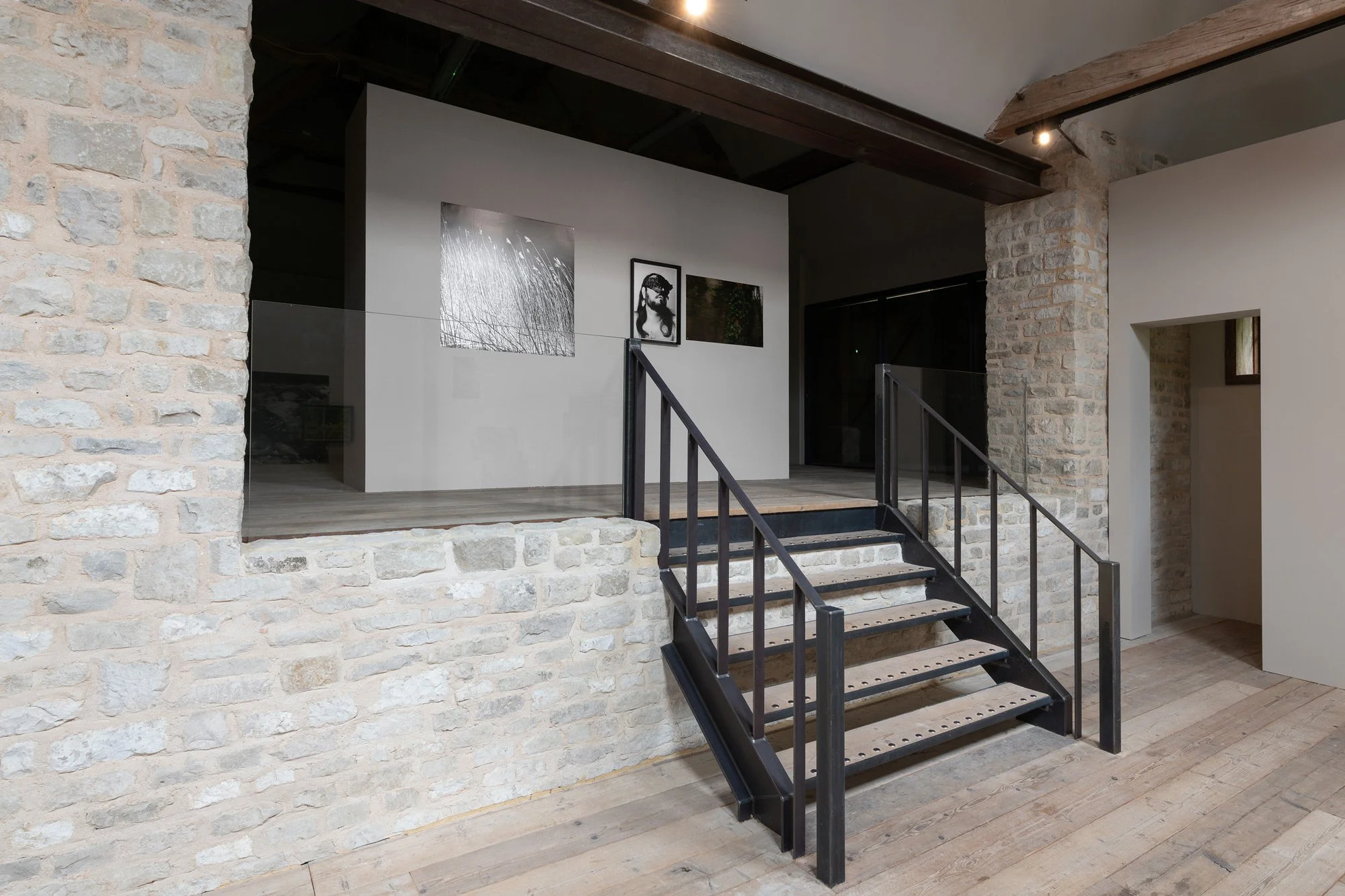
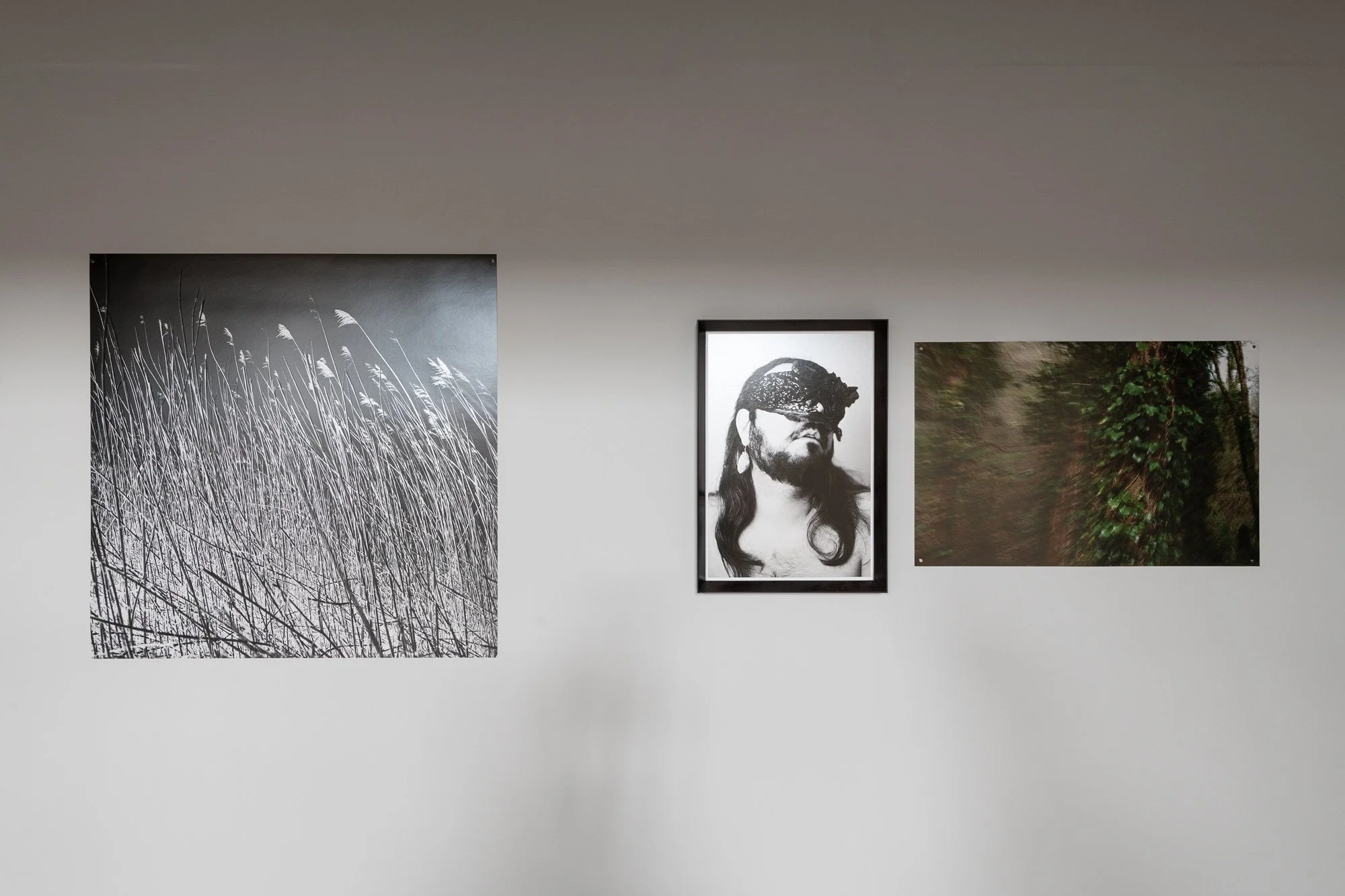
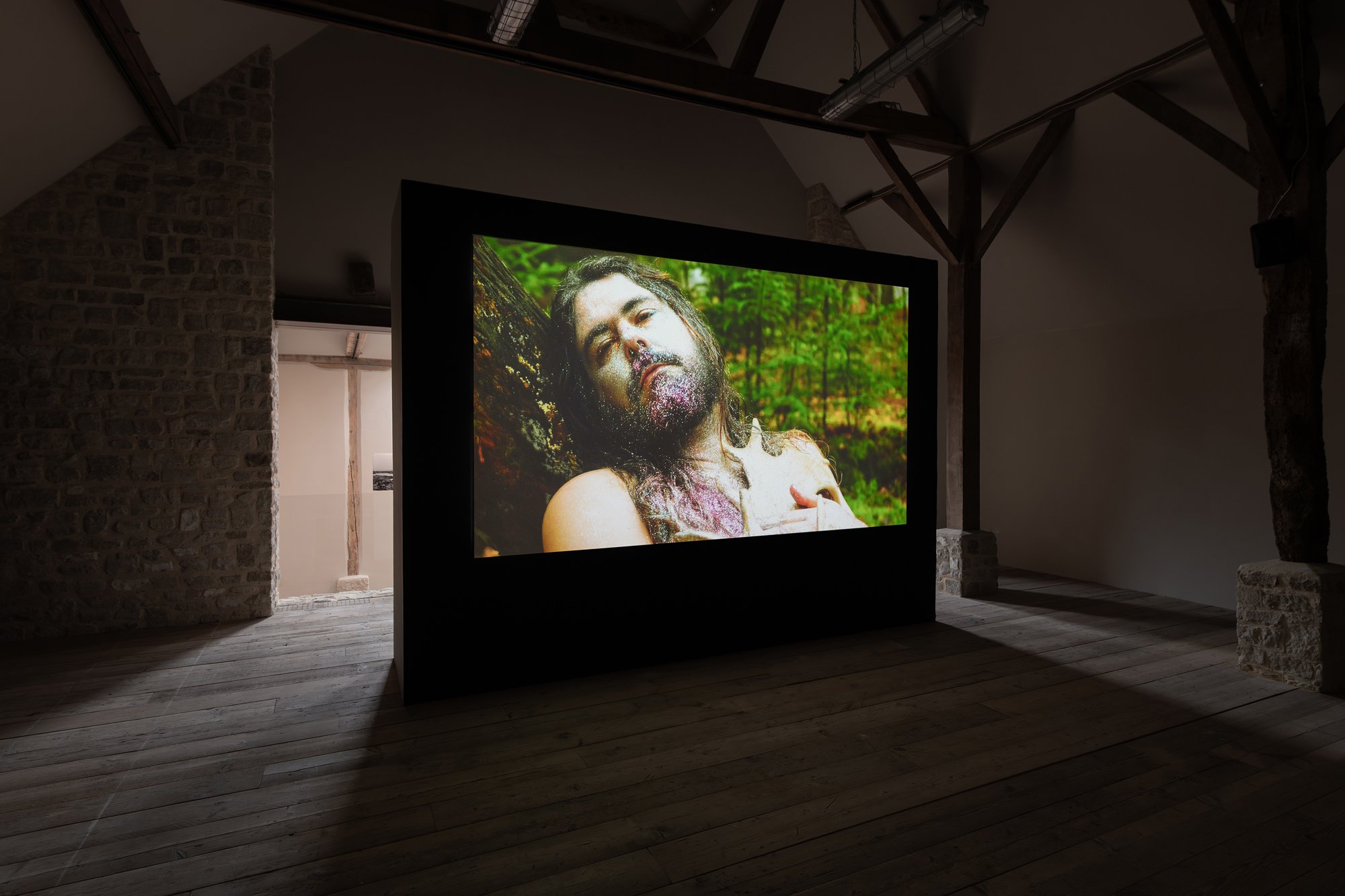
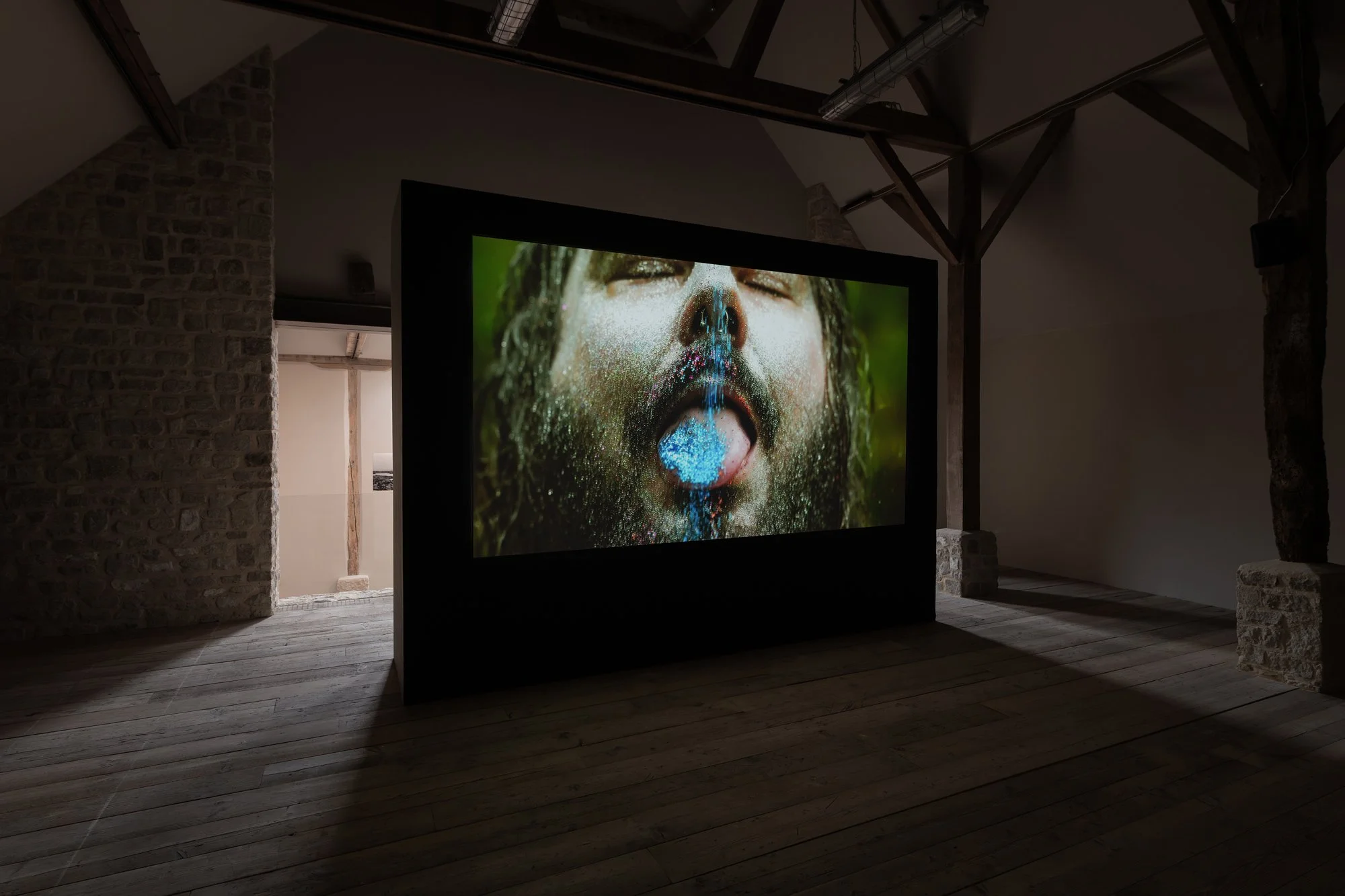
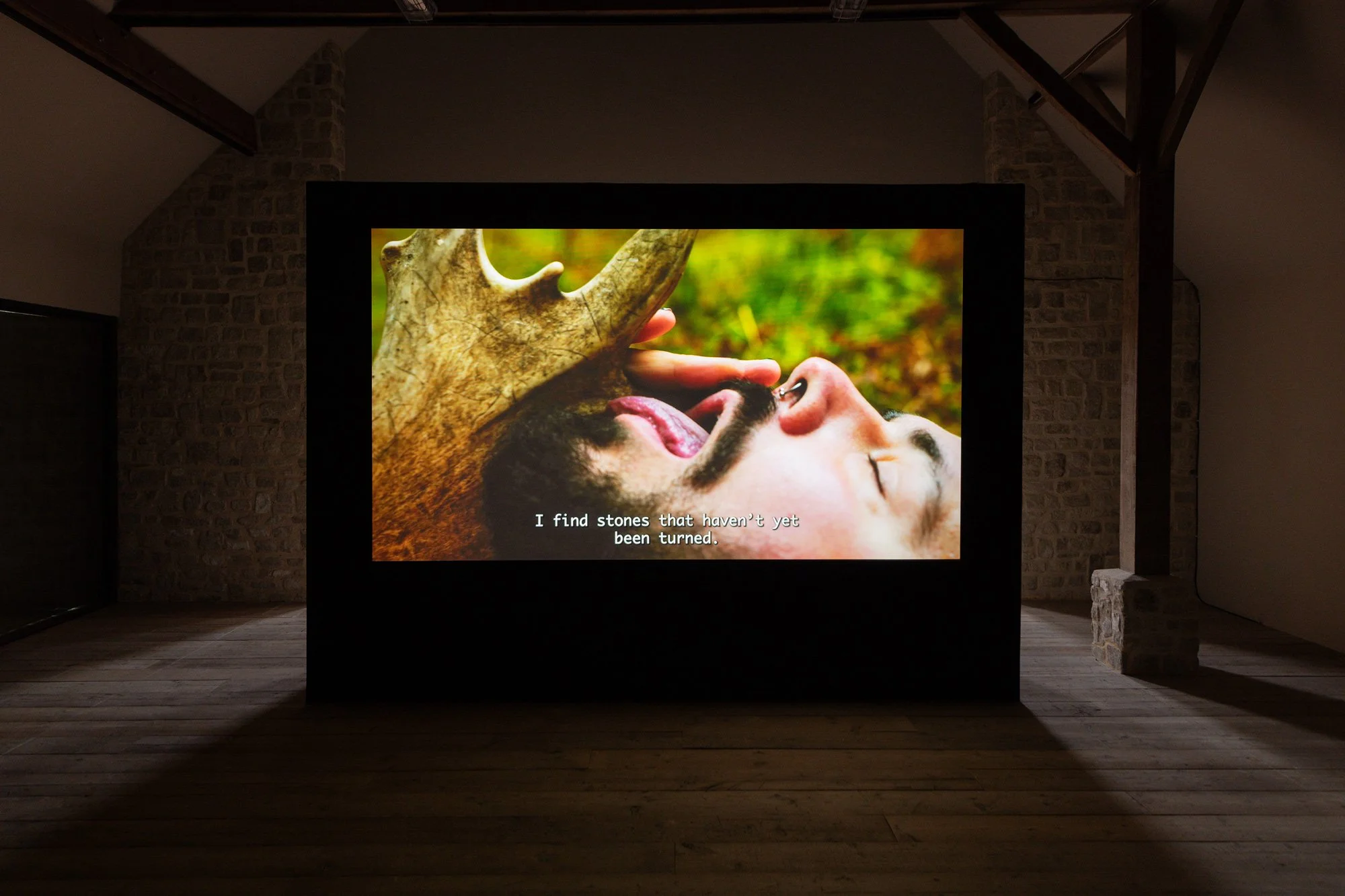
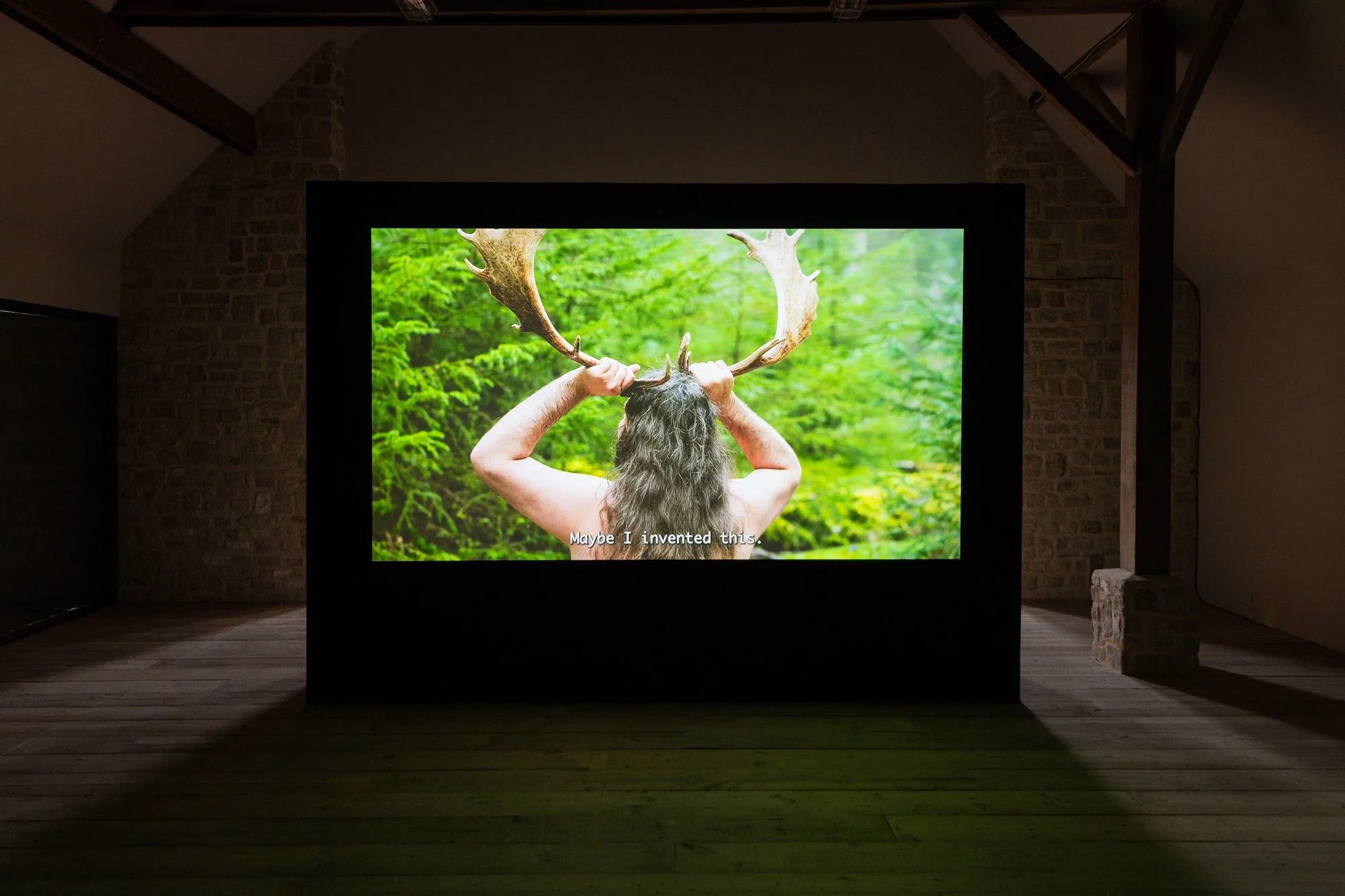
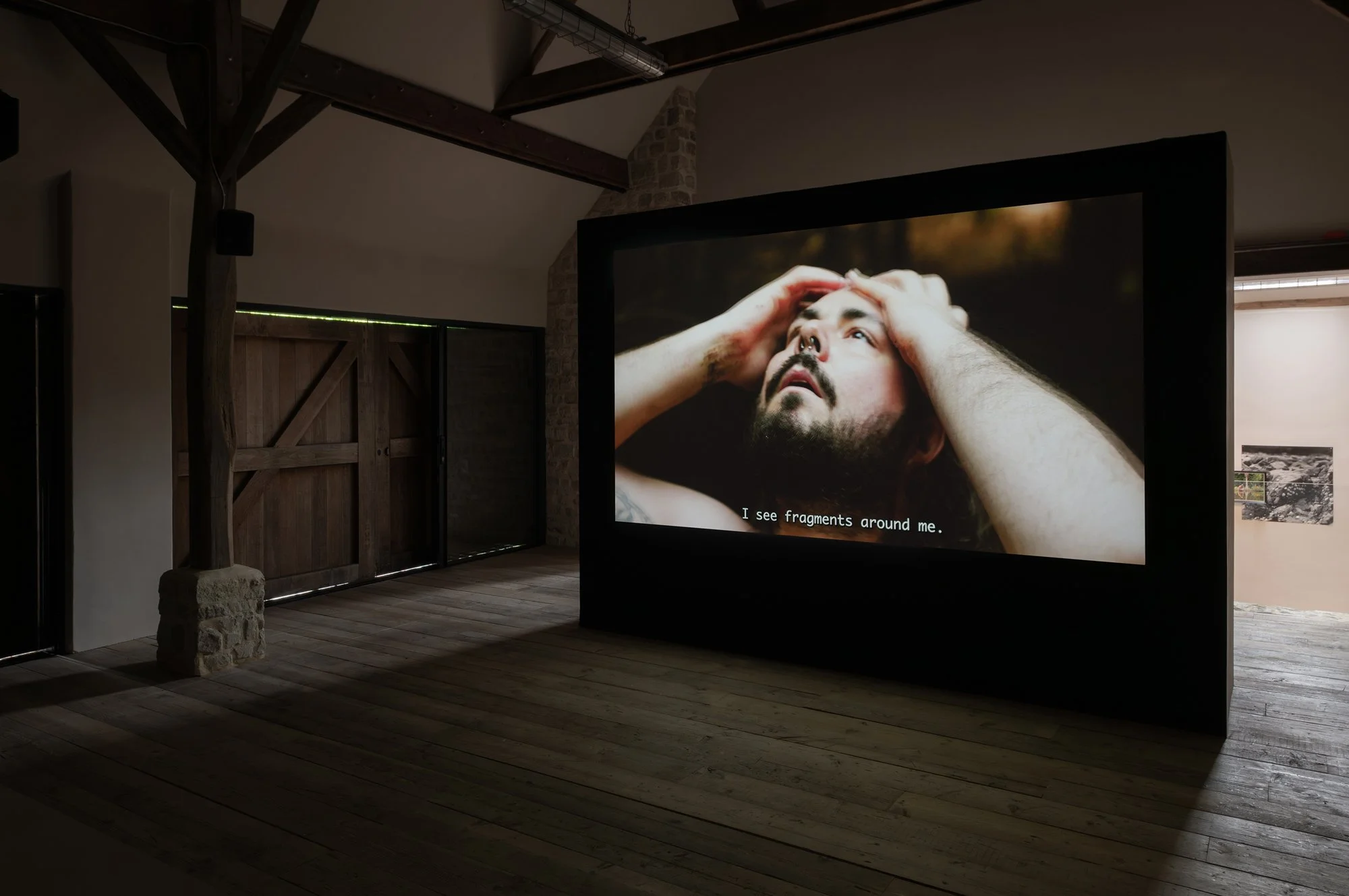
Danilo Zocatelli: VIADO, curated by Phoebe Ahern and Will Vetch, Inspection Pit, West Sussex, UK, 2026.
Photo: Studio Adamson
Image: Danilo Zocatelli, The eyes that once saw you in the darkness explode when they find your light, 2026, digital photograph.
Photo: Jian Yea